


Did you know?
N.B: Dancer(s) written with a capital D refers to all genders.
The training of a dancer lasts around 10 years. It usually starts at the age of 8 or 9, and dancers become professionals around the age of 18.
The Paris Opera Ballet School is a public and free institution. The nickname “Petits rats” is said to come from the sound of the students’ footsteps echoing in the corridors of the Palais Garnier at the time.
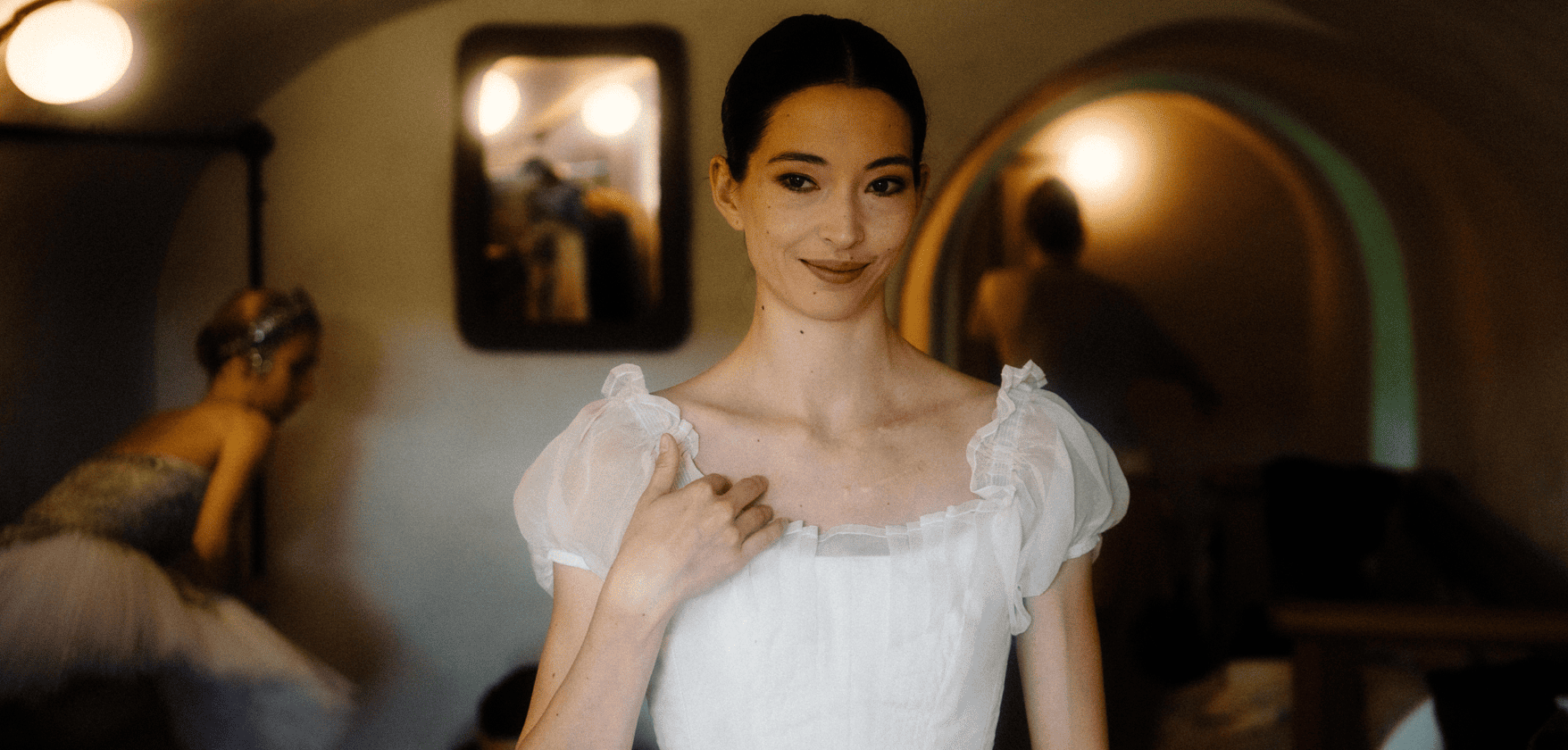
A Dancer is both an artist and a high-level athlete. As Albert Einstein once said: “Dancers are the athletes of God.” Unlike athletes, however, a Dancer must conceal the effort and give the impression that the technical performance is effortless. They train about 6 hours a day, 6 days a week. Their diet must be balanced to maintain a harmonious, strong, and resilient body. Mental preparation is just as important as physical preparation. Like any athlete, they are exposed to two types of injuries: overuse injuries and accidental injuries. This is why the retirement age for a Dancer at the Paris Opera (ONP) is 42. After that, some Dancers continue their careers for a few more years outside the Opera in a more contemporary repertoire, or embark on a career change.
Dancers develop exceptional memory—visual, auditory, tactile, kinesthetic, intellectual, and emotional—through their daily practice. They must memorize and internalize numerous combinations of steps to build a ballet, which generally lasts between 10 minutes and 3 and a half hours.
Motherhood is a delicate stage in a dancer’s career, requiring a balance between personal and artistic life. Some continue to dance during pregnancy with adaptations, while others take a break. Returning to the stage requires gradual rehabilitation to regain strength and flexibility while avoiding injury. The transformative experience of motherhood is often accompanied by artistic enrichment.
A typical day for a Dancer at the Paris Opera Ballet (ONP) is as follows: class in the morning, followed by strength training in the gym with a physical trainer, then rehearsals from 12 p.m. to 4 p.m. if there is a performance in the evening. If there is no performance, rehearsals may continue until the end of the day.
The hierarchy of the Paris Opera Ballet (ONP) is structured into 5 levels: Quadrilles – Coryphées – Sujets — these ranks form what is called the Corps de Ballet. Premiers danseurs/danseuses – Étoiles — are soloists. The supreme title of Étoile is an honorary distinction awarded by the Director of the ONP to Dancers who have demonstrated an outstanding level of technical execution and a unique artistic dimension. Étoile Dancers perform the leading roles in the vast majority of productions.
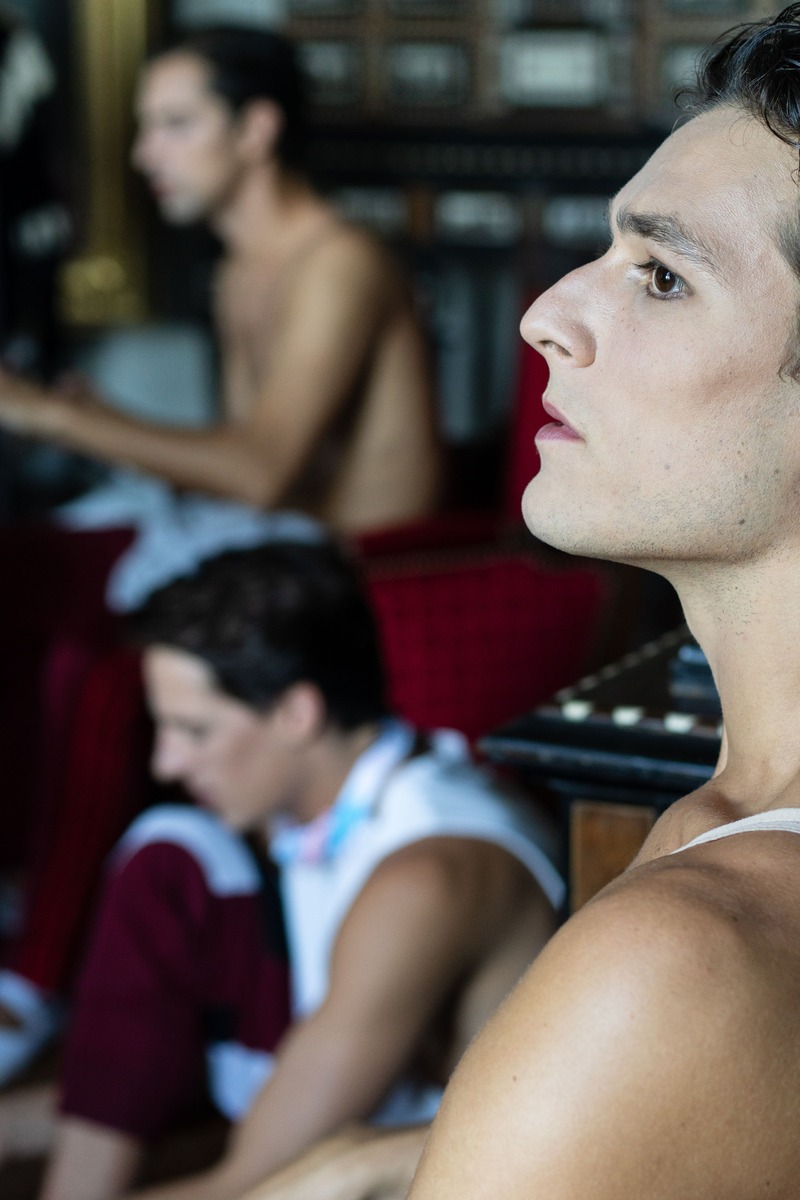
A male dancer does not wear tutus or pointe shoes (except for specific requests). He wears soft ballet shoes — known as demi-pointes — and tights to facilitate complex movements and make the musculature visible. Underneath, he wears a dance belt, similar to what combat athletes use.
The vocabulary of classical dance is codified and universal. The language used is French. Thus, a dancer in Japan will perform the same step when they hear “tour en l’air” — “arabesque” — “saut de chat” as a dancer in Australia or Sweden.
Most ballets are passed down orally and through body language.
The ballerina uses shoes with a hard toe box that allows her to literally dance on the tips of her toes, giving the audience the illusion that she is floating. These are called pointe shoes. Pointe shoes are handmade. Each dancer has her own method to make them more comfortable. Several pairs of pointe shoes may be used during a single ballet. Learning pointe technique generally begins around the age of 11, once the feet and ankles are sufficiently strong and muscular. Starting too early can affect the development of the feet, as the bones have not yet finished growing, potentially causing permanent deformities.
Classical dance, rooted in its traditions, has evolved to adapt to the modern world. Ballets now address contemporary issues such as the environment and identity, reflecting current concerns. Thanks to digital technology and online broadcasts, ballet reaches a global audience, beyond prestigious stages. Local initiatives and educational projects open this art to diverse audiences, making it more inclusive. Although often associated with grand venues like theaters, classical dance is open to everyone. It is practiced in schools, studios, at home, and anyone can discover this art, regardless of their social background.
Dance is not only an art form, it is also recognized for its therapeutic benefits. Practiced in a medical or recreational setting, it can help improve physical, mental, and emotional well-being.
Many well-known athletes and celebrities have practiced classical dance, such as Arnold Schwarzenegger, also known as “Terminator,” or Jean-Claude Van Damme, who once said that classical dance “is an art, but it’s also one of the most difficult sports. If you can survive ballet training, you can survive training for any other sport.” Other stars who have practiced classical dance include (non-exhaustive list): rapper Tupac Shakur; international footballer Rio Ferdinand; American football player Lynn Swann; four-time heavyweight boxing champion Evander Holyfield; actor Christian Bale; and actresses (among many others) Audrey Hepburn, Charlize Theron, and Zoë Saldaña.
This educational tool was created
with the support of our partner